Is Softwave Tissue Regeneration Technologies Effective for Construction Workers With Repetitive Strain Injuries?
Construction work demands strength, endurance, and repetition. At Radiant Wellness Center, we see how repetitive strain injuries can sideline skilled workers and shorten careers, so we offer targeted care using softwave tissue regeneration technologies to restore function and reduce downtime.
This FDA cleared, noninvasive approach uses acoustic waves to stimulate blood flow and activate the body’s repair systems. Radiant Wellness Center applies softwave tissue regeneration technologies with clinical precision to help construction workers recover without surgery or long interruptions.
What Is Softwave Tissue Regeneration Technologies and How Does It Work for Repetitive Strain Injuries
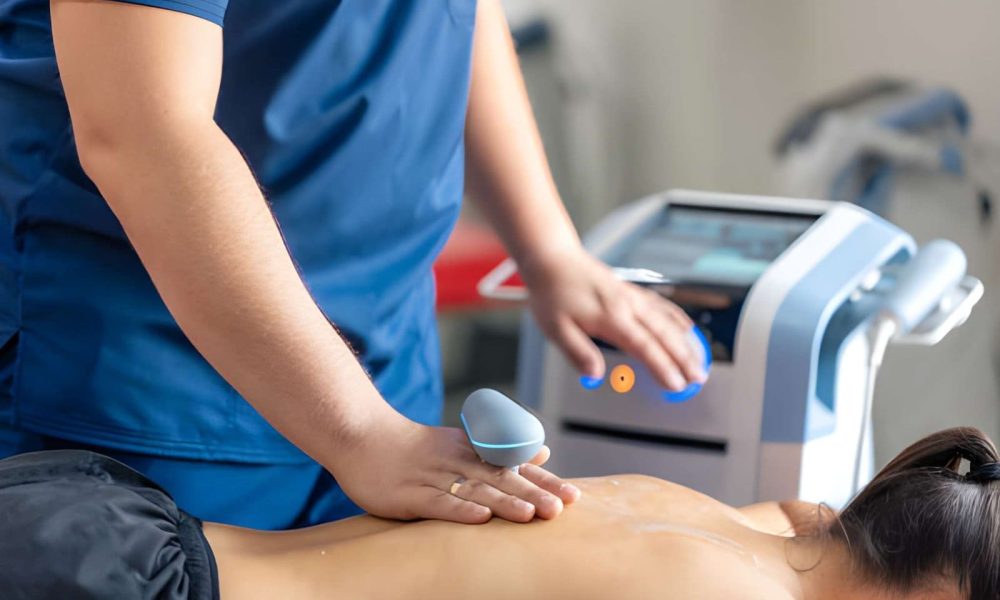
Softwave tissue regeneration technology is FDA‑cleared, non‑invasive, and drug‑free. It uses patented acoustic waves to penetrate deep into muscles, tendons, and joints. These waves stimulate blood flow, reduce inflammation, and activate stem cells to regenerate damaged tissue.
For construction workers battling RSIs, this therapy delivers:
- Immediate pain relief by shutting down inflammation at the source
- Improved circulation to speed recovery
- Stem cell activation for long‑term healing
- Diagnostic feedback to pinpoint the exact origin of pain
Unlike temporary fixes, soft wave tissue regeneration helps the body heal itself from within.
Why Are Construction Workers High Risk for Chronic Repetitive Strain Injuries
Construction work combines repetitive motion with heavy loads and frequent awkward postures. Overhead tasks, prolonged kneeling, and the constant use of vibrating tools create microtrauma that accumulates faster than the body can repair itself. When recovery time is limited and the same tissues are stressed day after day, inflammation becomes chronic and scar tissue forms, which reduces range of motion and increases pain. Workers who do not address these early signs often face progressive decline in function and higher risk of long term disability.
Workload Patterns Increase Tissue Wear
Daily cycles of lifting and forceful gripping place repeated stress on the same tendons and muscles. These patterns do not allow sufficient time for microscopic tears to heal, which leads to degeneration rather than repair. Over months and years, the cumulative damage becomes symptomatic and harder to reverse.
Tool Use and Vibration Effects
Power tools transmit vibration and shock into the hands, forearms, and shoulders, accelerating tendon breakdown. Vibration also impairs local circulation, which slows healing and increases the chance of nerve irritation. Addressing these mechanical contributors is essential to prevent recurrence.
Limited Recovery and Return to Work Pressure
Many workers return to duty as soon as pain subsides, not when tissue has fully healed. This cycle of early return and repeated re‑injury perpetuates chronic conditions. Effective softwave tissue regeneration technologies must both relieve symptoms and restore tissue resilience to break that cycle.
How Does SoftWave Therapy Accelerate Natural Healing in Damaged Muscles and Tendons
SoftWave therapy uses unfocused acoustic waves to trigger biological responses that support repair. The treatment reduces inflammatory signaling at the injury site, improves microvascular circulation, and stimulates resident stem cells to migrate and differentiate. It also promotes collagen synthesis and helps clear calcified deposits that restrict movement. Together these effects speed recovery and rebuild tissue quality rather than simply masking pain.
Immediate Anti Inflammatory Response
The acoustic pulses interrupt the inflammatory cascade that sustains pain and stiffness. Patients often notice reduced tenderness and improved mobility shortly after treatment. This early change creates a window where rehabilitation and strengthening are more effective.
Vascular and Cellular Activation
Improved blood flow delivers oxygen and nutrients while removing metabolic waste from injured tissue. At the same time, soft wave tissue regeneration technologies activate local progenitor cells that contribute to new tissue formation. These combined effects support durable healing rather than temporary relief.
Structural Remodeling and Function
By increasing collagen production and breaking down calcifications, the therapy helps restore normal tissue architecture. That structural remodeling translates into better load tolerance and less pain during work tasks. For construction workers, the result is a return to function with a lower risk of re‑injury.
Can SoftWave TRT Prevent the Need for Surgery or Steroid Injections in Heavy Laborers
Yes. Surgery and steroid injections are often seen as the “last resort” for RSIs, but they carry risks:
- Surgery requires long recovery times and may not fully restore mobility.
- Steroid injections provide temporary relief but can weaken tissues over time.
SoftWave TRT offers a non‑invasive alternative. By stimulating natural healing, it often eliminates the need for invasive procedures, helping workers avoid downtime and stay strong.
What Specific RSI Conditions in Construction Workers Can SoftWave Therapy Treat
SoftWave therapy is proven effective for multiple RSI conditions common in construction, including:
- Tendonitis in elbows, shoulders, and wrists
- Carpal tunnel syndrome from tool vibration
- Plantar fasciitis from prolonged standing
- Rotator cuff injuries from overhead lifting
- Lower back pain from heavy lifting
- Knee strain from repetitive kneeling
Independent studies show up to 91% of patients experience successful healing with softwave tissue regeneration technologies.
What Can a Construction Worker Expect During a SoftWave Therapy Session at Radiant Wellness Center
At Radiant Wellness Center, sessions are designed to be comfortable and effective:
- Consultation: Review your work history and injury concerns.
- Assessment: Identify pain points using diagnostic feedback.
- Therapy session: Acoustic waves applied with a handheld device.
- Immediate relief: Many patients feel results after the first session.
- Personalized plan: Tailored schedule for lasting recovery.
Sessions last 15–20 minutes, with no downtime. You can return to work the same day, pain‑free and stronger.
How Does SoftWave Compare to Traditional Physical Therapy or Chiropractic Care for Work Injuries
Softwave TRT | Physical Therapy | Chiropractic Care |
Non‑invasive | Exercise‑based | Manual adjustments |
Activates stem cells | Strengthens muscles | Realigns spine/joints |
Immediate pain relief | Gradual progress | Temporary relief |
FDA‑cleared | Widely practiced | Widely practiced |
No downtime | Requires multiple sessions | May need repeat visits |
While physical therapy and chiropractic care are valuable, soft wave tissue regeneration stands out by directly regenerating tissue. For construction workers, this means faster recovery and less disruption to their demanding schedules.
Why Radiant Wellness Center Is the Right Choice for Construction Workers
Construction workers face unique physical challenges that often lead to repetitive strain injuries. Softwave tissue regeneration technologies provide a safe, effective, and non‑invasive solution that accelerates healing, reduces pain, and prevents the need for surgery or injections.
At Radiant Wellness Center, our team specializes in tailoring soft wave tissue regeneration to the needs of heavy laborers. With compassionate care and advanced softwave tissue regeneration technology, we help workers stay strong, mobile, and pain‑free.
Contact us today! Call now to schedule your first SoftWave session at Radiant Wellness Center and take the first step toward lasting relief.